jeep warranty information you can trust for smarter ownership
Good coverage protects more than a budget; it protects plans, trips, and safety. Expect solid basics, not miracles. A warranty fixes defects in covered parts and labor within stated limits, and it won't replace careful maintenance or rough-use restraint.
Your coverage map at a glance
Factory coverage usually arrives in layers. Terms vary by model year, powertrain, and region, so confirm specifics in your warranty booklet or owner portal.
New Vehicle Limited (comprehensive): Covers many components against defects for a set time/mileage. Wear items and trim often have shorter or no coverage.
Powertrain: Engine, transmission, transfer case, and drive systems. Strong protection windows, but maintenance neglect or misuse can void a claim.
Corrosion/Perforation: Rust-through coverage for body panels; surface rust and paint chips are commonly excluded.
Roadside Assistance: Towing to the nearest authorized dealer, jump starts, lockout help. Read distance limits and off-road access language.
Emissions: Federally mandated coverage on specified components for defined periods; some states add longer terms. Keep documentation for inspections.
High-Voltage Battery (for plug-in/hybrid): Typically longer coverage than the rest of the vehicle, with capacity or defect provisions spelled out in detail.
What can change your outcome
Model and powertrain: Diesel, plug-in, and special editions can carry different terms and parts lists.
Usage profile: Heavy towing, water fording, or repeated high-heat driving may be scrutinized if damage aligns with severe-use patterns.
Modifications: Lifts, tunes, and tire changes don't "void" coverage outright; however, a claim can be denied if a mod reasonably caused the failure.
Maintenance quality: On-time services using the correct fluids/specs matter; keep dated receipts, mileage notes, and part numbers.
Accessories: Factory/Mopar accessories are usually simpler at claim time. Aftermarket parts may require extra proof of non-involvement.
A subtle real-world moment
Sunday evening, rain starting, your trail-rated Jeep flashes a check engine light after a puddle crossing. You call roadside assistance, confirm towing is covered to the nearest authorized dealer, and email photos of your maintenance receipts from your glovebox folder. Outcome: calm, documented, safe - and you get home dry.
Extended plans, if they fit your risk
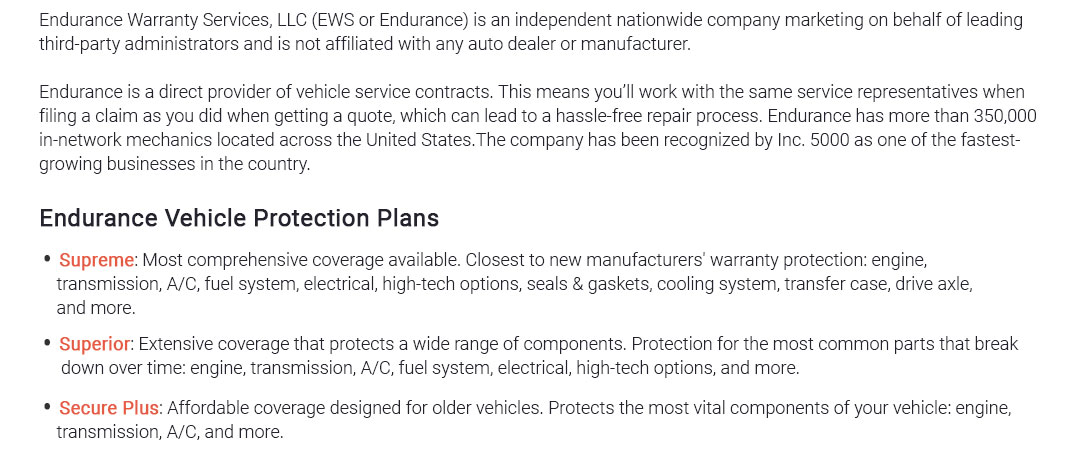
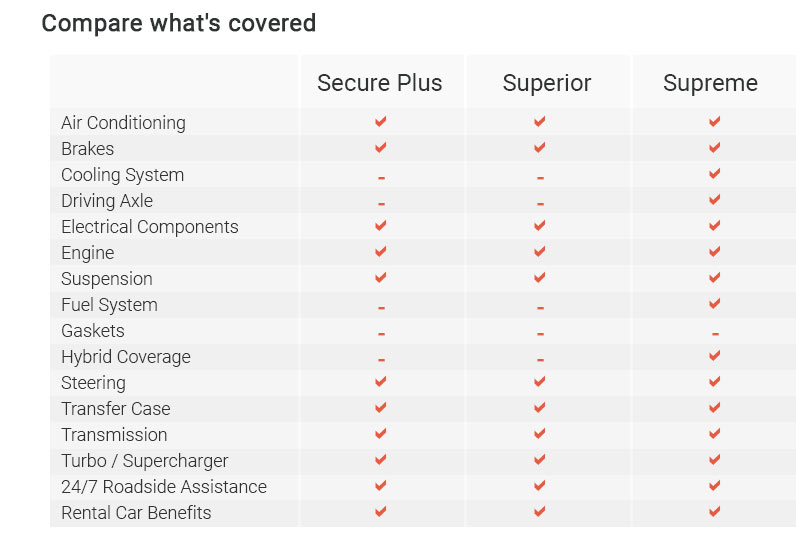
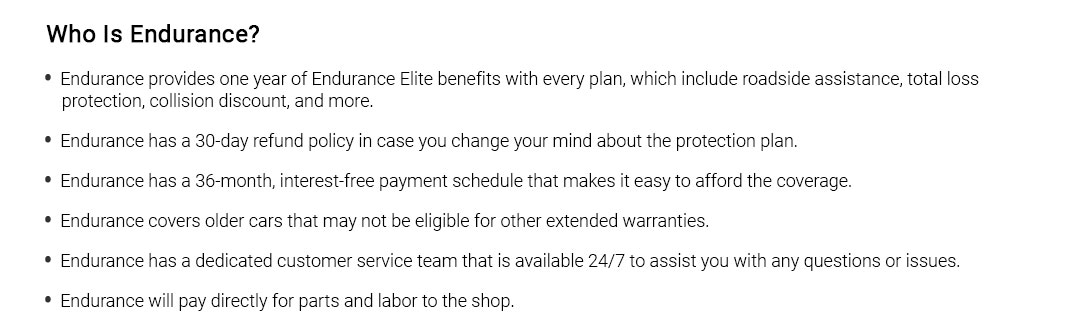
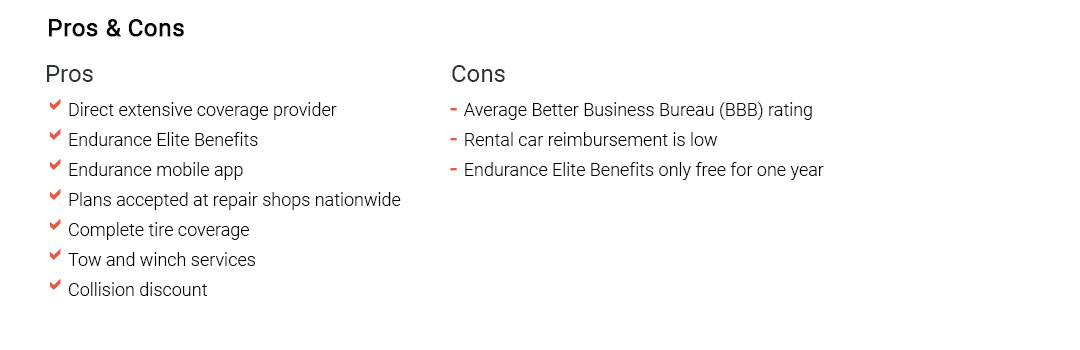
Factory-backed or reputable third-party service contracts can extend coverage past the base term. A good plan should match how long you'll keep the vehicle and how you use it, not just a low monthly price.
Selection framework
Timeline fit: Keep the Jeep beyond base coverage? Consider extension; otherwise, you may not use it.
Mileage reality: High annual miles favor longer terms; city-short trips can stress components differently (idling, emissions devices).
Deductible design: Higher deductible can lower cost but stings on small repairs; choose one you'd comfortably pay on a busy week.
Component list clarity: Named-component plans require careful reading; exclusionary plans list what's not covered - often simpler.
Added benefits: Towing caps, rental car days, trip interruption - small lines that matter on road trips.
Transferability and refunds: Helps resale and reduces sunk cost if you sell early.
Must-read fine print
Diagnostics and software: Are scan fees and reprogramming included?
Fluids and filters: Covered only if part of a covered repair, not routine service.
Consequential damage: If a non-covered part harms a covered one (or vice versa), what's paid?
Labor rate caps: Some plans cap shop rates; big-city dealers can exceed them.
Approved facilities: Dealer-only or licensed shops allowed? Off-pavement recoveries may be limited.
Claim steps that go smoothly
Have VIN, mileage, and a short symptom description ready.
Call for pre-authorization before repair tear-down if required.
Share maintenance records - paper or digital - without gaps.
Document with photos and keep failed parts until the claim closes.
Collect itemized invoices showing parts, labor time, and diagnostics.
Safety-first priorities
Safety recalls are repaired at no cost - book them promptly. TSBs guide dealers on known issues but aren't automatic coverage. Brakes, steering, airbags, and ADAS calibrations deserve immediate attention; if a warning light appears, avoid strenuous driving or deep-water crossings until inspected.
Certified pre-owned specifics
Powertrain extension: Often longer than standard, sometimes with a small deductible.
Limited comprehensive term: Shorter but helpful for early ownership months.
Inspection reality: A checklist isn't a guarantee; request the actual report and proof that open recalls were closed.
Start dates: Some coverages start from original in-service date, not your purchase date - confirm the math.
Maintenance that preserves coverage
Follow the severe-duty schedule if your driving matches it.
Use fluids and filters that meet the exact specifications.
Torque wheels and suspension hardware to spec after off-road service.
Keep software updated; modules can be part of emissions and drivability systems.
Log tire size changes and calibrations; speedo/ABS/ADAS rely on accurate data.
Quick fit guide
Urban, low-mileage: Comprehensive coverage matters more than high mileage limits; prioritize electronics and convenience systems.
Overlanding/weekend trails: Roadside limits and rental coverage become practical; read water intrusion and recovery language carefully.
Plug-in hybrid (4xe): Battery and power electronics terms are key; confirm capacity retention criteria.
Frequent towing: Ensure cooling, transmission, and driveline items are clearly defined; keep proof of correct tow setup.
Bottom line: choose coverage that matches your real routes, weather, and wrenching habits. Verify terms in your official booklet, keep records tidy, and drive with a margin for safety - the quiet confidence is worth it.